In modern electronic systems, industrial machinery, automotive platforms, and telecommunications equipment, effective thermal management is no longer optional—it is fundamental to performance and reliability. As devices become more compact and power densities continue to increase, selecting the right DC axial fan becomes a critical engineering decision.
Choosing the wrong fan can result in overheating, excessive noise, shortened component lifespan, or unnecessary energy consumption. On the other hand, a properly selected DC axial cooling fan ensures stable temperature control, energy efficiency, and long-term system durability.
This guide provides a structured, practical framework to help engineers, OEM designers, and procurement managers choose the right DC axial fan for their specific application.

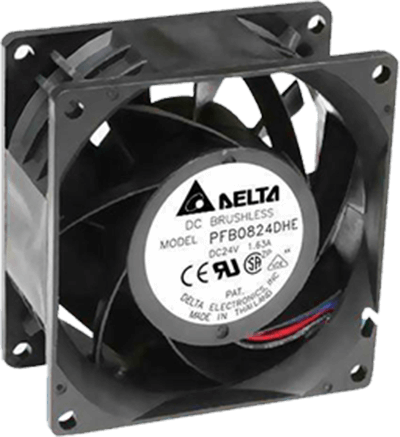
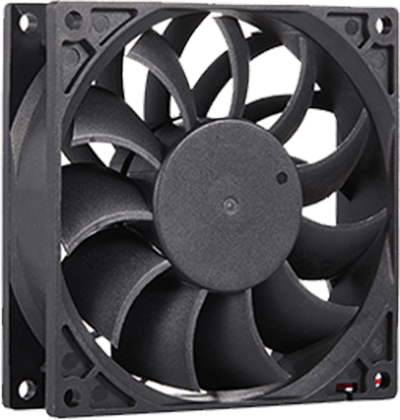
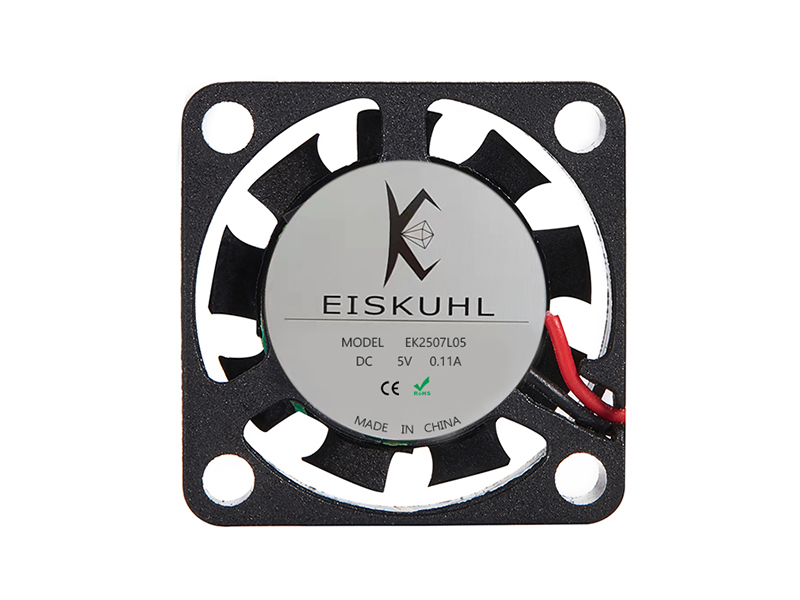
A DC axial fan is a cooling device that moves air parallel to the axis of rotation using a brushless DC motor. Air flows straight through the fan, making it ideal for applications that require high airflow with relatively low static pressure.
Key components typically include:
Aerodynamically designed blades
Brushless DC motor
Driver PCB (often with PWM control)
Protective frame or housing
Compared to AC fans, DC brushless axial flow fans offer:
Higher energy efficiency
Better speed control
Lower noise levels
Longer lifespan
Compatibility with battery-powered systems
DC axial fans are widely used in electronics cooling, telecom cabinets, control panels, EV systems, HVAC units, and more.
The first step in selecting a DC axial cooling fan is determining the required airflow. This is based on the total heat generated inside the system.
Every electronic or industrial component generates heat measured in watts. To maintain a safe operating temperature, sufficient airflow must remove that heat.
A simplified airflow estimation formula is:
Airflow (CFM) ≈ Heat Load (W) ÷ (1.76 × Temperature Rise °C)
While this provides an estimate, real-world testing is recommended for precise calculations.
Undersized fans lead to overheating and reduced reliability.
Oversized fans increase noise and energy consumption unnecessarily.
A professional DC axial fan manufacturer can assist with thermal simulations to optimize selection.
Many engineers focus only on airflow (CFM), but static pressure is equally important.
Static pressure represents the resistance to airflow caused by:
Heat sinks
Filters
Ventilation grills
Ducts
Dense internal layouts
If system resistance is high, a standard DC axial compact fan may not deliver the expected airflow.
Fan performance curves (Pressure vs. Airflow) show how airflow decreases as resistance increases. Always match the fan’s operating point to your system’s resistance profile.
For restricted airflow paths, consider higher static pressure DC brushless axial flow fans with optimized blade geometry.
Space constraints often dictate fan size. Common DC axial fan dimensions include:
40mm
60mm
80mm
92mm
120mm
172mm
Thickness options typically range from 10mm to 38mm.
A DC axial compact fan is ideal for slim electronics, medical devices, and embedded systems where space is limited.
Ensure:
Adequate mounting clearance
Proper airflow direction (intake vs exhaust)
Unobstructed airflow paths
Even a high-performance fan will underperform if installation is poorly designed.
Common voltage options for DC axial fans include:
5V DC
12V DC
24V DC
48V DC
Select a voltage compatible with your system’s power supply.
Higher airflow typically means higher power consumption. Energy-efficient DC brushless axial flow fans help reduce overall system energy costs, especially in 24/7 operation environments like data centers or telecom stations.
PWM-controlled fans offer:
Dynamic speed adjustment
Lower noise during low-load operation
Improved energy efficiency
For variable heat loads, PWM is highly recommended.
Noise is a major factor in many applications, especially:
Medical equipment
Office electronics
Consumer devices
Automotive interiors
Noise level is measured in dBA. Factors influencing noise include:
Blade design
Rotational speed
Bearing type
Airflow turbulence
Low-noise DC axial cooling fans feature optimized blade profiles and vibration-reducing motor structures.
Balancing airflow and acoustic performance is crucial—higher airflow generally increases noise.
Bearing selection significantly affects fan lifespan and reliability.
Lower cost
Suitable for horizontal installation
Shorter lifespan
Longer lifespan
Better for high-temperature environments
Suitable for any mounting orientation
Low noise
Extended lifespan
High reliability
For industrial or DC automotive axial fans, dual ball bearings are often recommended due to higher durability requirements.
Operating environment greatly impacts fan selection.
Check operating temperature specifications. Automotive and industrial systems may require -40°C to +85°C capability.
For dusty or wet environments, consider fans with IP-rated protection.
Applications requiring DC automotive axial fans often demand enhanced protection against vibration, moisture, and dust.
Automotive and industrial equipment require reinforced motor structures and balanced impellers.
Modern DC axial fans offer intelligent features such as:
PWM speed control
Tachometer (FG signal)
Alarm output
Locked-rotor protection
Automatic restart function
Smart monitoring enhances system reliability and predictive maintenance.
Ensure the fan meets relevant certifications:
CE
UL
RoHS
Automotive-grade standards (if applicable)
A reliable DC axial fan manufacturer should provide full compliance documentation and quality assurance testing reports.
Choosing the right supplier is as important as choosing the right fan.
A professional DC axial fan manufacturer should offer:
OEM and ODM customization
Thermal design consultation
Performance testing support
Rapid prototyping
Long-term supply stability
For specialized markets such as automotive, telecom, and industrial automation, working with an experienced supplier ensures consistent product quality and engineering support.
Selecting the right DC axial fan requires careful evaluation of airflow, static pressure, size, voltage, noise, bearing type, environmental conditions, and smart control features. A well-chosen DC axial cooling fan improves system reliability, reduces energy consumption, and extends equipment lifespan.
Whether you need a DC axial compact fan for space-constrained electronics, DC automotive axial fans for high-vibration environments, or high-efficiency DC brushless axial flow fans for industrial applications, the key lies in matching performance characteristics to real system requirements.
As a professional cooling solution provider, EISKUHL specializes in high-performance DC axial fans, customized OEM solutions, and advanced thermal management systems designed to meet the evolving demands of modern industries.